

Raising Bilingual, Bicultural Kids Without Losing Your Own Identity
You want your child to speak your language — to understand their grandma on the phone, to feel at home in the culture that shaped you, to carry forward something precious. And also, quietly, it's exhausting. You're translating constantly, correcting mixed-up sentences, fielding relatives who worry the kids don't speak "enough," and navigating a world that often treats your heritage as optional or lesser. Somewhere in all that labor, you may wonder where you went.
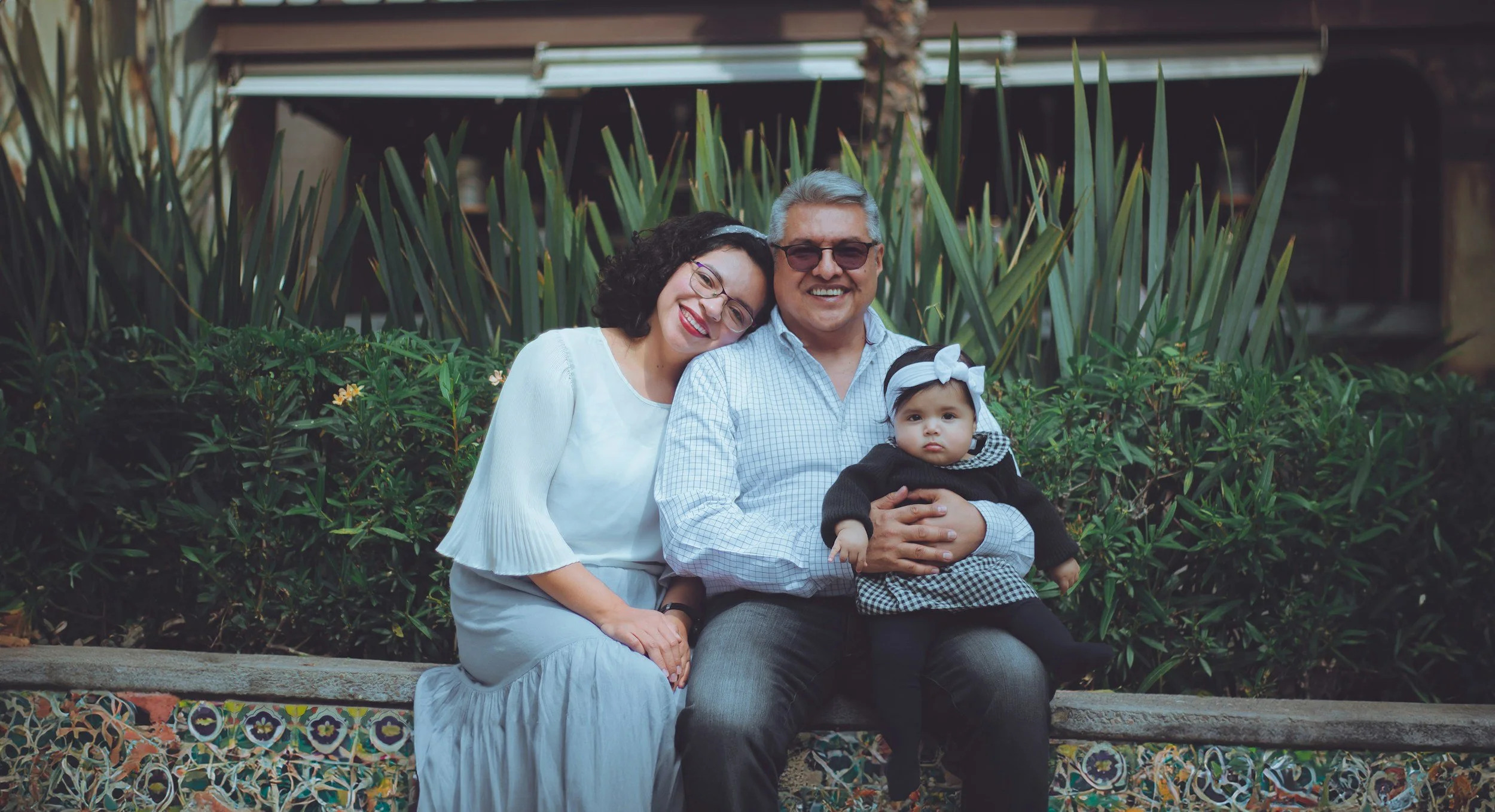
Assimilation, Belonging, and the Grief of Leaving Home Behind
When you leave one country for another — or when your parents did, and you inherited the story — everyone talks about the opportunity, the better life, the sacrifice worth making. And it is those things. But underneath the gratitude runs a quieter current that rarely gets spoken aloud: a grief for everything you left behind. The smell of your grandmother's kitchen. The language that fit in your mouth without effort. The feeling of being normal — of not having to explain yourself.
If you've felt this ache and then immediately felt guilty for feeling it — how can I mourn when I'm so lucky? — this post is for you. That grief is real, it's valid, and it deserves to be named.

Race Should Not Be Ignored in an Interracial Relationship
Interracial relationships often bring together people with different cultures, histories, and lived experiences. These relationships can be deeply fulfilling, offering opportunities for growth, connection, and expanded perspectives. Yet they also exist within a broader social context where race continues to shape how people move through the world.
One of the most common misconceptions we see in couples therapy is the belief that love alone should make conversations about race unnecessary.
It doesn't.
In fact, avoiding conversations about racial identity often creates distance, while approaching them with curiosity and compassion can deepen emotional intimacy.

Love Across Cultures: Navigating Intercultural Relationships
You fell in love with someone who sees the world a little differently than you do. Maybe they grew up speaking another language, celebrating holidays you'd never heard of, in a family with rhythms and rules unlike your own. Part of what drew you in was exactly that difference — the way they widened your world.
And then real life arrived. Whose family do you visit for the holidays? How do you raise the kids? What does "close family" actually mean, and how much say do parents get? Suddenly the very differences that once felt exciting can feel like a daily negotiation.
Intercultural relationships are rich, expansive, and beautiful. They also ask more of you. If you love across cultures, this is for you.