

Why No One Warned You How Hard the Newborn Stage Would Be
You were told it would be tiring. You were shown the cute onesies and the tiny socks. Someone probably said, "Sleep now while you can," with a knowing little laugh. But nobody sat you down and told you the truth: that the newborn stage can feel like being broken open and asked to keep functioning anyway.
If you are in the thick of it right now — bleary-eyed, unshowered, holding a baby who will not stop crying at 3 a.m. and wondering what on earth you signed up for — I want you to hear something. You are not weak. You are not doing it wrong. This stage is genuinely, structurally, one of the hardest things a human being can be asked to do.

How Long Does Therapy Take? Honest Answers to a Fair Question
Before you commit to therapy, you probably want to know what you're signing up for. How many sessions? How many months? How much will it cost by the time we're done? Are we talking a few weeks — or the rest of my life?
These are completely fair questions, and I wish more therapists answered them plainly instead of murmuring "it depends." Because while it does depend, that's not a reason to leave you in the dark.

Individual vs. Couples Therapy: Which Do You Need?
You know something needs to change. But you're stuck on a threshold question: is this something to work on by yourself, or something to bring into the room with your partner?
It's a genuinely common dilemma, and the answer isn't always obvious. Sometimes a relationship problem is really an individual one in disguise. Sometimes an individual struggle is being fed by a relationship dynamic. And sometimes the honest answer is: both.

Raising Bilingual, Bicultural Kids Without Losing Your Own Identity
You want your child to speak your language — to understand their grandma on the phone, to feel at home in the culture that shaped you, to carry forward something precious. And also, quietly, it's exhausting. You're translating constantly, correcting mixed-up sentences, fielding relatives who worry the kids don't speak "enough," and navigating a world that often treats your heritage as optional or lesser. Somewhere in all that labor, you may wonder where you went.

How to Rebuild Confidence After a Career Setback
There's a particular kind of quiet that settles in after a career setback.
Maybe you were passed over for a promotion you'd earned. Maybe a project you led fell apart publicly. Maybe you were demoted, let go, or watched a peer sail past you. Whatever it was, something shifted. You used to walk into work feeling capable. Now there's a voice questioning whether you're actually any good at this — whether you ever were.
Setbacks don't just cost us opportunities. They can quietly rewrite the story we tell about ourselves. The good news is that confidence isn't something you either have or don't. It's something you rebuild, deliberately — and this post is about how.

Assimilation, Belonging, and the Grief of Leaving Home Behind
When you leave one country for another — or when your parents did, and you inherited the story — everyone talks about the opportunity, the better life, the sacrifice worth making. And it is those things. But underneath the gratitude runs a quieter current that rarely gets spoken aloud: a grief for everything you left behind. The smell of your grandmother's kitchen. The language that fit in your mouth without effort. The feeling of being normal — of not having to explain yourself.
If you've felt this ache and then immediately felt guilty for feeling it — how can I mourn when I'm so lucky? — this post is for you. That grief is real, it's valid, and it deserves to be named.
Inter-generational Trauma: The Pain We Inherit
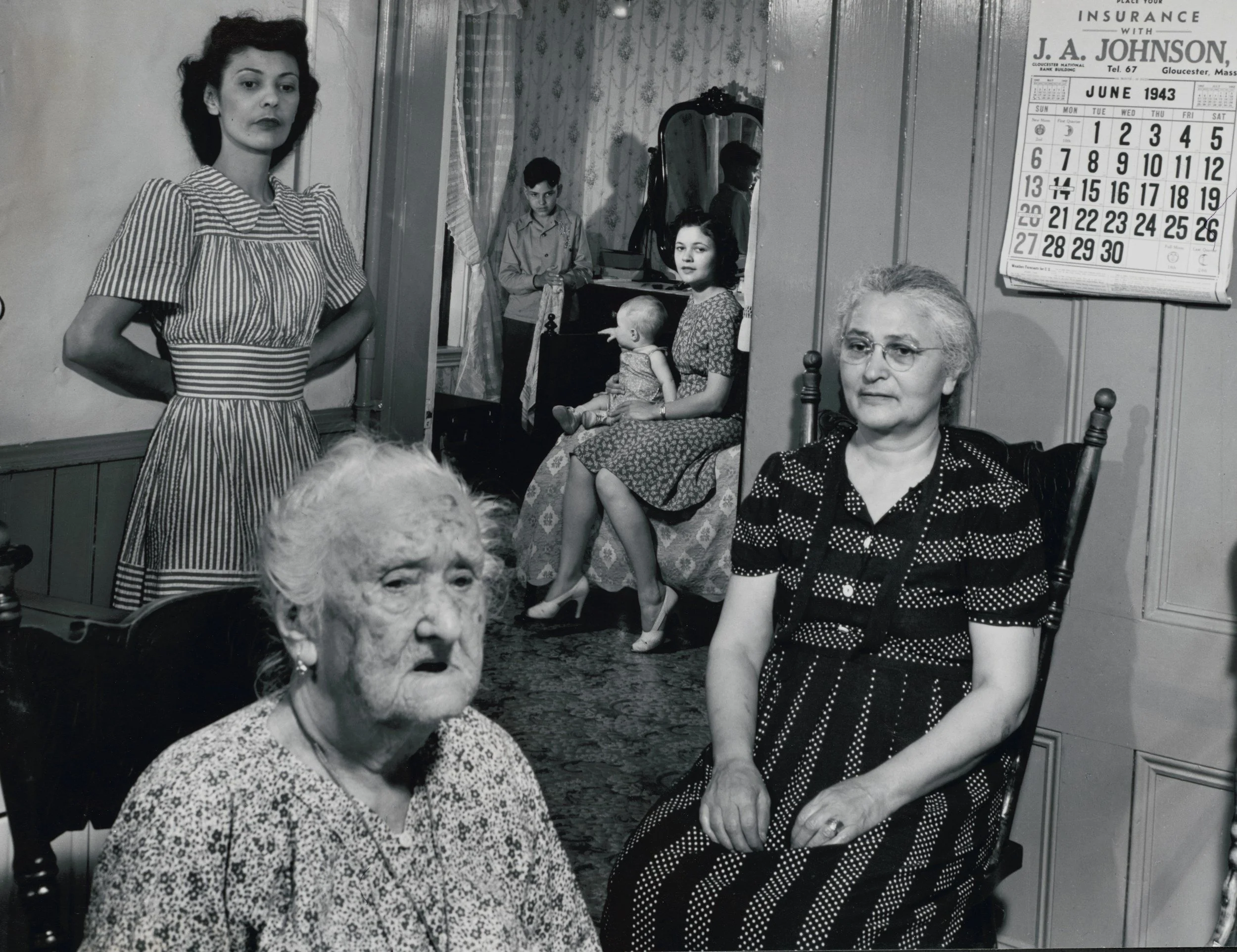
Have you ever wondered why certain patterns keep repeating in your family — the same anxieties, the same silences, the same ways of loving that leave everyone a little lonely? Or why you carry fears and reactions that don't seem to trace back to anything that happened to you?
Sometimes the pain we hold isn't only our own. It was handed down — through parenting, through the body, through what was never said as much as what was — from people who came before us and never had the chance to heal.

Race Should Not Be Ignored in an Interracial Relationship
Interracial relationships often bring together people with different cultures, histories, and lived experiences. These relationships can be deeply fulfilling, offering opportunities for growth, connection, and expanded perspectives. Yet they also exist within a broader social context where race continues to shape how people move through the world.
One of the most common misconceptions we see in couples therapy is the belief that love alone should make conversations about race unnecessary.
It doesn't.
In fact, avoiding conversations about racial identity often creates distance, while approaching them with curiosity and compassion can deepen emotional intimacy.

Sometimes the Best Therapy Begins with a Walk Outside
We spend most of our lives indoors, lit by screens, moving from one responsibility to the next without much pause in between. Our bodies get to sit down. Our minds almost never do.
In my practice, I meet a lot of people who have been running on that kind of low-grade stress for so long that it no longer registers as stress. It registers as normal. Tired is normal. Braced is normal. Checking your phone before your feet hit the floor is normal.
But your nervous system was never built for constant input. And one of the most reliable ways to give it a break costs nothing, requires no app, and is probably within a ten-minute walk of where you're sitting right now.

Why So Many Women Grieve Miscarriage in Silence
Despite affecting an estimated 1 in 4 recognized pregnancies, miscarriage remains one of the most common yet least talked about experiences in reproductive health. Many women carry not only the heartbreak of losing a pregnancy, but also the burden of carrying that grief in silence.
I believe that healing begins when experiences that have lived in silence are finally given language. Because miscarriage is not "just a medical event." It is often the loss of imagined futures, changing identities, and dreams that had already begun taking shape.

Code-Switching Isn't a Soft Skill - It's a Survival Strategy
Walk into almost any white-collar workplace, and you'll hear the word professional used often.
But for many professionals of color, "professionalism" carries an unspoken expectation: be excellent—but not too different.
That expectation often leads to code-switching—the conscious or unconscious process of changing one's language, tone, appearance, behavior, or cultural expression to fit the dominant workplace culture. While everyone adapts to different social settings to some degree, racialized code-switching is fundamentally different. It is often rooted not in convenience, but in safety, acceptance, and survival.
Marianismo: When Being "The Good Woman" Means Losing Yourself
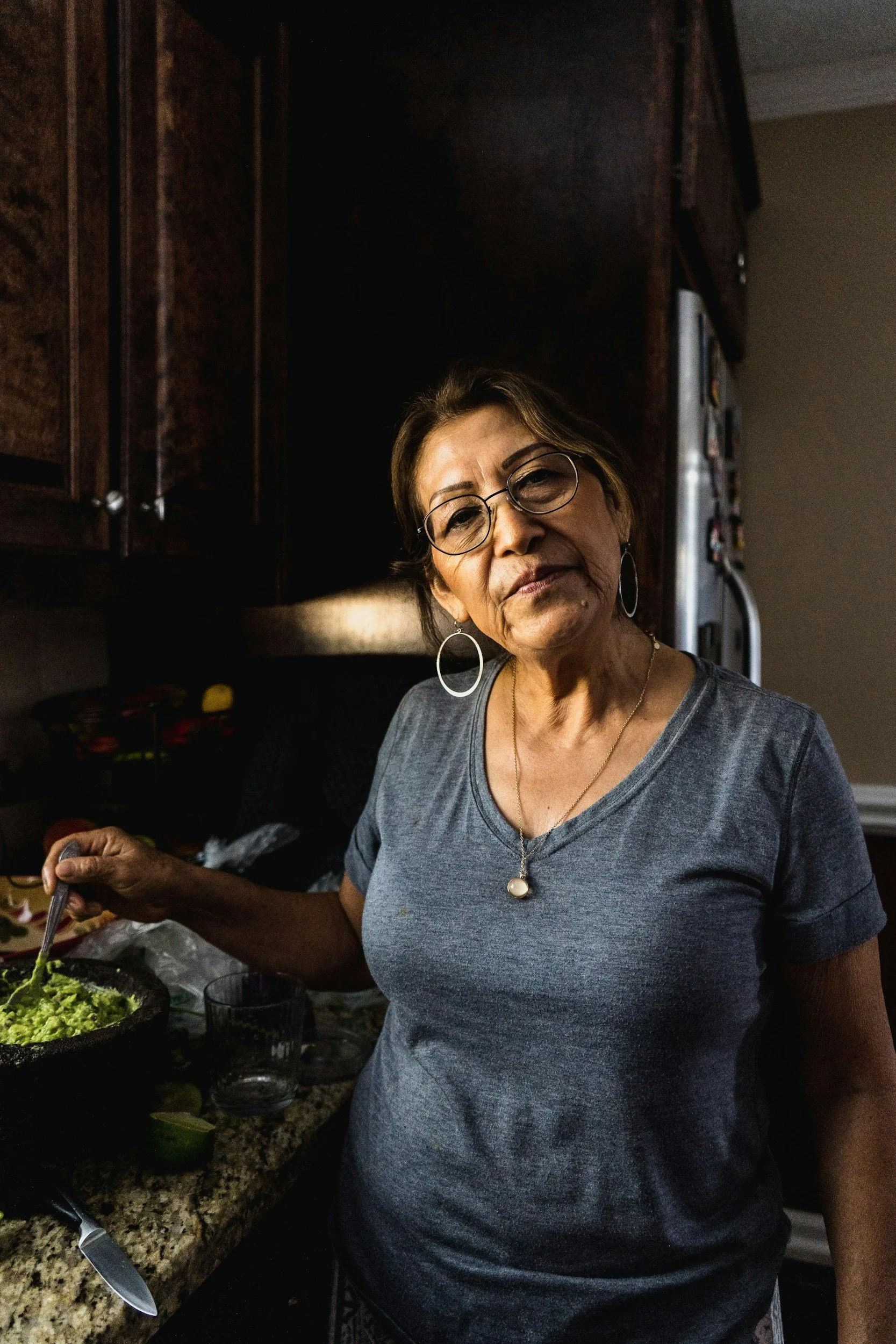
Have you ever wondered why it's easier to care for others than it is to care for yourself? Many women grow up believing that being a "good" daughter, partner, mother, or friend means always putting others first. Over time, this constant self-sacrifice can leave you feeling anxious, emotionally exhausted, disconnected from your own needs, and wondering why you're never enough despite giving so much.
While this shows up in many cultures under different names and forms, for many Latinas these expectations are shaped by marianismo—a cultural belief system that values caregiving, humility, sacrifice, and emotional endurance.

The Monday Scaries: When Sunday Anxiety Is Trying to Tell You Something
If you've ever spent a beautiful Sunday in Seattle hiking, grabbing coffee with friends, or enjoying a rare sunny afternoon—only to feel a wave of anxiety hit around dinner time—you've experienced what many people call the Monday Scaries.
That sinking feeling before the workweek starts has become so common that we've almost accepted it as a normal part of adult life. People joke about it on social media. But here's the question I find more interesting: Why are so many people dreading Monday in the first place?

How trying to be the perfect parent can backfire
Pregnancy and early parenthood are often portrayed as some of life's happiest seasons. While they can bring incredible joy, they can also bring anxiety, self-doubt, grief, exhaustion, and an overwhelming pressure to "get it right." Many new parents quietly wonder if they're doing enough while adjusting to one of life's biggest transitions.
Social media, family expectations, and cultural messages often reinforce the idea that good parents should always feel grateful, patient, and instinctively know what to do. The reality is much different. Parenting isn't about being perfect—it's about showing up with love, responding to your child's needs as best you can, and giving yourself the same compassion you offer your family.

Anxiety Therapists: What to Look For and How to Start
You've been telling yourself you'll deal with it later. The tight chest before meetings. The 3 a.m. spirals about things that haven't happened yet. The way your mind runs three worst-case scenarios before your coffee has even finished brewing. You keep functioning — you show up, you answer the emails, you make it look fine — and maybe that's exactly why no one around you realizes how much energy it takes.

LICSW Supervision Requirements in Washington State: What Trips People Up
Nobody fails to get licensed because they couldn't do the clinical work. People get delayed because of paperwork — a supervisor whose credential didn't qualify for the hours being claimed, a log that recorded totals but not the breakdown the reviewer wanted, months of hours that turned out to be the wrong kind of hours.

Terapia de pareja intercultural: cuando la pelea no es sobre lo que parece
La discusión fue sobre la Navidad. No fue sobre la Navidad.
Debajo está la pregunta de qué familia se queda con las fiestas, y debajo de eso, qué obligaciones son negociables y cuáles no, y más abajo todavía: si uno de los dos está aceptando poco a poco vivir dentro del mundo del otro.
Por eso la misma pelea vuelve cada año. No es un problema de calendario. Es una negociación sobre de qué está hecha su vida en común, y nadie la ha nombrado en voz alta.

Intrusive Thoughts After Having a Baby: Why They Happen and When to Worry
You're carrying your baby down the stairs and a thought flashes through your mind: What if I dropped her? You're standing over the crib at night and picture something terrible happening. You're near the kitchen knives and your brain serves up an image so disturbing it makes your stomach lurch.
And then comes the second wave — the horror at yourself. What kind of parent thinks that? What is wrong with me?

Amazon, Microsoft, and Burnout: Mental Health in Seattle Tech
You're paid well. On paper, you made it. So why do you feel like a phone stuck at 4% battery that never quite gets to charge?
If you work in tech in the Seattle area, this feeling probably needs no explanation. Whether your badge says Amazon, Microsoft, or one of the hundreds of startups and satellite offices scattered from South Lake Union to Bellevue to Redmond, there's a particular kind of depletion that comes with this industry in this city. It doesn't lift on the weekend. It follows you home.

The Eldest Daughter Effect: Why You Feel Responsible for Everyone
You knew how to soothe a crying sibling before you knew your multiplication tables. You could read the temperature of a room — your mother's silence, your father's tight jaw — and adjust yourself to keep the peace. You were the one who remembered the appointments, translated the letters, held the family together while somehow also getting straight A's.
You were a child. But were you ever really allowed to be one?