

Supervision that gets you licensed and makes you a better clinician
You're accruing hours, and at the same time you have a client you've been thinking about at 11pm, a documentation system you're not entirely sure is defensible, and a growing suspicion that nobody is going to teach you how to actually do this work unless you go and find someone who will.
Supervision can be one of two things: a signature on a form, or the period in which you genuinely become a clinician. I'd rather it be the second, and I'd rather your hours count toward licensure the whole time it is.
I'm an approved clinical supervisor in Washington State, and I supervise associate-level social workers and counselors working toward independent licensure — in person in Edmonds, or online anywhere in the state.
Who I supervise
LSWAICs accruing supervised hours toward the LICSW.
LMHCAs and LMFTAs where my scope and your board's requirements line up, worth checking on a consult call.
Newly independent clinicians who want consultation rather than required supervision.
Clinicians building a specialty in anxiety, perinatal mental health, or cross-cultural work.
Bilingual clinicians working clinically in Spanish who have never once had supervision in the language they practice in. This is far more common than it should be, and it matters a great deal, see terapia en español.
-
Supervision rates are determined on an individual basis and depend on factors such as licensure level, supervision needs, frequency of meetings, and stage of professional development. I encourage prospective supervisees to reach out for an initial consultation so we can discuss your goals, clinical interests, and what you are looking for in supervision.
I am particularly committed to supporting newer clinicians as they begin building their caseloads and professional identity.
-
I provide supervision for:
Associate therapists
Early-career therapists
Clinicians seeking a relational psychodynamic perspective
Therapists interested in multicultural and identity-informed work
Professionals developing bilingual therapy practices
My supervision style tends to be a particularly good fit for clinicians who value curiosity, reflection, cultural humility, and depth-oriented clinical work.
-
Relational psychodynamic supervision emphasizes the importance of understanding both conscious and unconscious processes within therapy.
Areas of exploration may include:
Countertransference reactions
Relational enactments
Attachment patterns
Emotional responses within sessions
Therapeutic ruptures and repair
Parallel process
Use of self in treatment
By developing greater awareness of these dynamics, clinicians can strengthen their capacity for attuned, intentional, and effective therapeutic work.
-
In addition to clinical supervision, I provide mentorship for clinicians interested in private practice development.
Topics may include:
Building a private practice
Establishing clinical systems and workflows
Practice development and growth
Developing a bilingual therapy practice
Marketing and community outreach
Balancing clinical work and business responsibilities
Navigating the transition into independent practice
As a private practice owner, I enjoy helping clinicians develop sustainable and fulfilling careers while remaining grounded in their clinical values.
-
A central component of my supervisory approach is understanding how culture, identity, power, and social context influence clinical work.
Supervision provides space to explore:
Cultural identity and worldview
Immigration and acculturation experiences
Race, ethnicity, and cultural belonging
Language and bilingual clinical work
Power, privilege, and oppression
Intergenerational and family-of-origin influences
Sociopolitical factors impacting clients and clinicians
I support clinicians in developing greater awareness of how these dynamics shape assessment, treatment planning, therapeutic relationships, and clinical interventions.
What the next steps look like:
You pick a time for us to meet, directly on my calendar. My clinical supervision intakes take 45 minutes, since we have a lot to unpack and learn about each other’s clinical background.
We meet virtually and talk about what you are looking for. We will dive deep into your clinical and professional background, your goals, and your style. It goes both ways too, this is also a chance for you to learn more about me as a clinician. We will also discuss pricing based on where you are in your career. Usually by the end of the call, I will tell you honestly whether I'm the right fit to supervise you.
If it feels right, we schedule your first supervision session, usually within a couple weeks, and then we establish a supervision cadence. Most of my supervisees see me biweekly, but this depends on your own goals. I see all of my supervisees virtually.

Clinicians I have supervised
Supervision is ultimately measured in who comes out the other side of it. The clinicians below are associate-level clinicians I've supervised who now practice across the Seattle area and Washington State (in private practice, in group practices, and in agencies) across a wide range of specialties. Several trained toward the LICSW; others came for consultation while building a practice of their own. You are welcome to reach out to them for feedback about my supervision style.
Current supervisees:

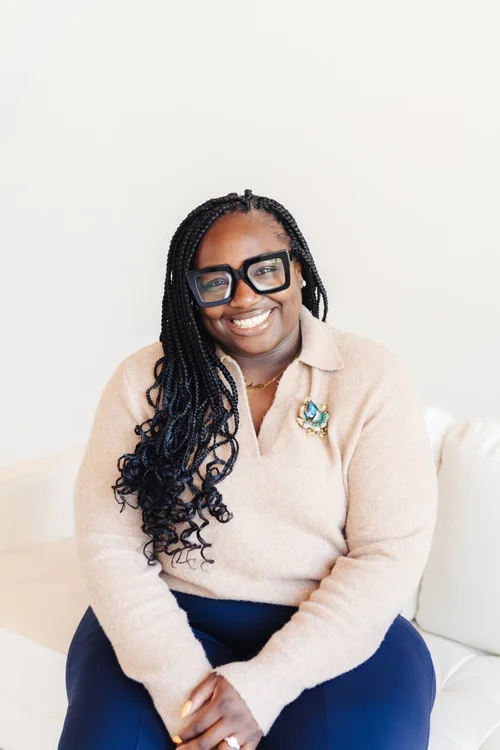

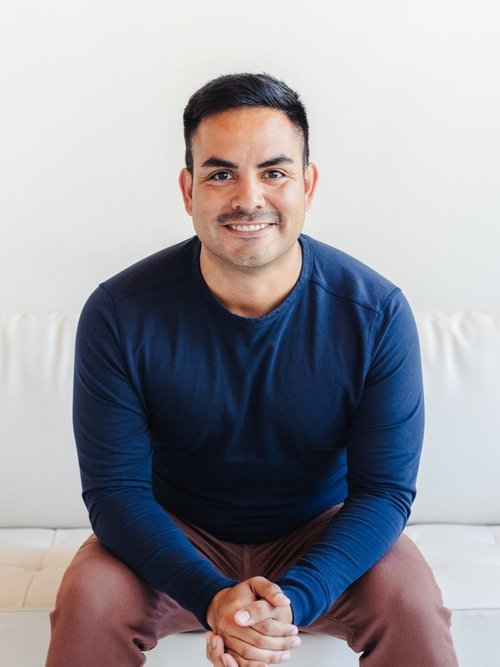
Gino MazzottiLMHCA
LGBTQ+ clients, men's issues, tech professionals, and Latinidad / multicultural work.
Supervised 2025–Present
Gabriela Ayala-CanizaresLMHC
Somatic, multigenerational, and multicultural work.
Supervised 2026–Present

Jennifer CiccarelliLSWAIC
Relational psychodynamic work with adults and teens, social justice and multicultural work; training in Brainspotting.
Supervised 2026–Present
Chantalle GarciaLSWAIC
Multicultural and Latinidad work with teens and adults.
Supervised 2026–Present

Past supervisees:

Adam PiddingtonLMHC
Men's issues, couples work, and discernment counseling for couples.
Supervised 2022–2023


Maria Rivera-OrozcoLICSW
Kids, teens, and adults, around anxiety, depression, and multicultural work.
Supervised 2023–2024
Trauma, LGBTQ+ issues, and multicultural work; currently pursuing a PhD.
Supervised 2024–2025

What supervision with me looks like
We meet weekly, biweekly (most common), or monthly for 50 minutes. Consistency is the whole point here, because hours accrued in irregular bursts simply teach you less than a steady rhythm does.
We also work from real material rather than summaries, so bring a recording, your process notes, or a case you can't stop thinking about. Vague summaries only ever produce vague supervision, and neither of us has time for that.
Case conceptualization comes first, because the most common gap I see in associate-level clinicians isn't warmth or skill. It's being able to state clearly what they think is going on, within a framework, and what treatment follows from that. We'll build that capacity together until it becomes automatic for you.
Your own reactions are treated as data. What a client stirs up in you is clinical information, not a lapse in professionalism, and supervision is where that gets put to use instead of quietly managed. It's also where I'll be honest that some of it belongs in your own therapy rather than here. And I'll tell you which is which.
We'll cover the unglamorous parts explicitly, because these are exactly what new clinicians lose sleep over and exactly what a signature-only supervisor never touches: risk assessment and the documentation of it, duty to warn and Washington's specific requirements, mandated reporting, notes that hold up, informed consent, boundaries, dual relationships, telehealth across state lines, and whether and how to terminate.
And we'll talk about career and business, whether to go into private practice, whether to panel or not, fee-setting, caseload size, and what number of clients per week is survivable. Nobody teaches this in school, and it largely determines whether you're still doing this work in ten years.
Common Questions
How many hours do I need for the LICSW in Washington?
Washington's requirements for the LICSW are set by the Department of Health, and they include a specified number of postgraduate supervised experience hours accrued over a minimum period, with a required portion of direct client contact and a required portion of supervision provided by an LICSW.
I've deliberately chosen not to print the exact numbers here, because they change, and a stale number on a website is worse than no number at all. Verify current requirements directly with the Washington State Department of Health, and read LICSW supervision requirements in Washington State for a walkthrough of how the pieces fit together, along with the documentation traps that cost people months.
Here is what I will commit to: I track hours in a form that survives an audit, I sign as we go rather than retroactively, and I'll tell you early if anything about your setup is going to cause a problem at application time.
How do I know if a supervisor is a good fit?
Ask about theoretical orientation, how they handle disagreement, what happens when you bring them a mistake, and whether they've supervised anyone working with your population. If a prospective supervisor is vague about any of those, that vagueness is itself your answer. What to look for in a clinical supervisor covers the questions worth asking, including the ones that are awkward to ask out loud.
You should also be able to bring a mistake without bracing yourself first. Most clinical growth happens right there, and a supervisor who makes that expensive will only teach you to hide things, which is a safety problem, not merely a learning one.
What if I'm already burning out in my first year?
Bring it in. It's one of the more common things that surfaces in supervision, and it has usually been going on for months before anyone finally says it out loud.
The conditions in most associate-level jobs make it close to inevitable: high caseloads set by someone who isn't seeing the clients, productivity requirements that assume you'll do your documentation unpaid, a population heavier than your training prepared you for, and, for the kind of people drawn to this work in the first place, a strong instinct to absorb what was never theirs to carry. Add the fact that you can't really discuss any of it with friends in the detail you'd need to, and the isolation compounds the load.
What I'd want to look at with you is which part of it is the job and which part is how you're holding the job. Both are usually true at once, and they call for different remedies. If your agency has set an unsurvivable caseload, no amount of self-care fixes that, and I'll say so plainly, sometimes the clinical answer is a conversation with your supervisor at work, or an exit plan. The signs that precede a real crash are worth knowing early, because the version of this we catch at month four is a far smaller problem than the version at month fourteen.
There's another reason to raise it here rather than nowhere: burning out changes your clinical work before it ever changes your self-report. Sessions get thinner in substance, your curiosity narrows, and you start reaching for technique instead of listening. Noticing that in yourself isn't a character indictment. It's one of the most useful things supervision can catch.
Can supervision be online?
Yes, and most of mine is. Online supervision is permitted, and I supervise clinicians across Washington State. In-person supervision in Edmonds is available if you're nearby and prefer it.
Am I supposed to bring my own therapy stuff here?
Only the part of it that's touching your clinical work. Supervision isn't therapy, and a supervisor who blurs that line has a boundary problem. But if a client is activating something in you, that does belong in the room, we'll use it clinically, and I'll be direct with you if I think it warrants its own therapy.