

How Long Does Therapy Take? Honest Answers to a Fair Question
Before you commit to therapy, you probably want to know what you're signing up for. How many sessions? How many months? How much will it cost by the time we're done? Are we talking a few weeks — or the rest of my life?
These are completely fair questions, and I wish more therapists answered them plainly instead of murmuring "it depends." Because while it does depend, that's not a reason to leave you in the dark.

Raising Bilingual, Bicultural Kids Without Losing Your Own Identity
You want your child to speak your language — to understand their grandma on the phone, to feel at home in the culture that shaped you, to carry forward something precious. And also, quietly, it's exhausting. You're translating constantly, correcting mixed-up sentences, fielding relatives who worry the kids don't speak "enough," and navigating a world that often treats your heritage as optional or lesser. Somewhere in all that labor, you may wonder where you went.
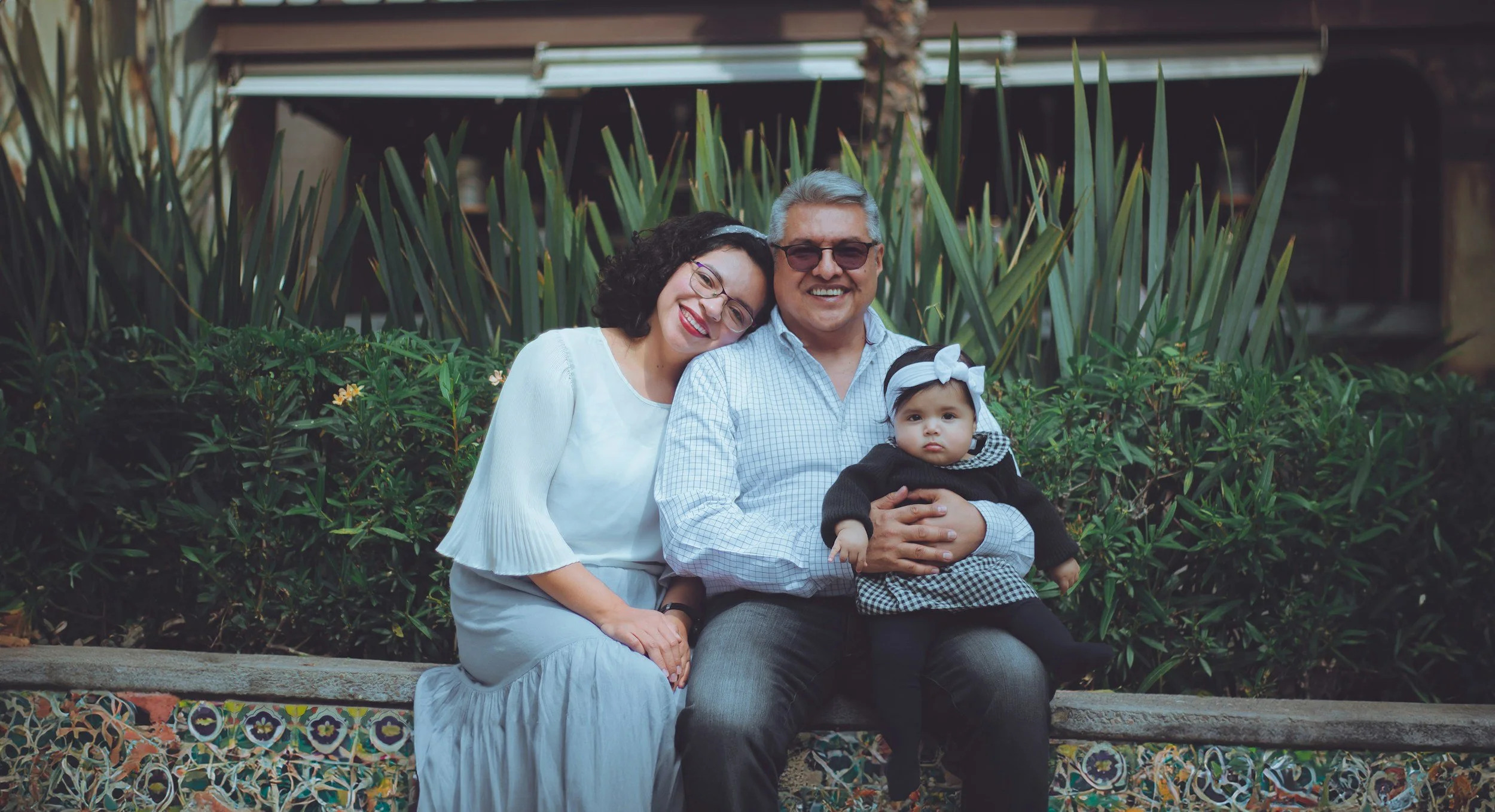
Assimilation, Belonging, and the Grief of Leaving Home Behind
When you leave one country for another — or when your parents did, and you inherited the story — everyone talks about the opportunity, the better life, the sacrifice worth making. And it is those things. But underneath the gratitude runs a quieter current that rarely gets spoken aloud: a grief for everything you left behind. The smell of your grandmother's kitchen. The language that fit in your mouth without effort. The feeling of being normal — of not having to explain yourself.
If you've felt this ache and then immediately felt guilty for feeling it — how can I mourn when I'm so lucky? — this post is for you. That grief is real, it's valid, and it deserves to be named.
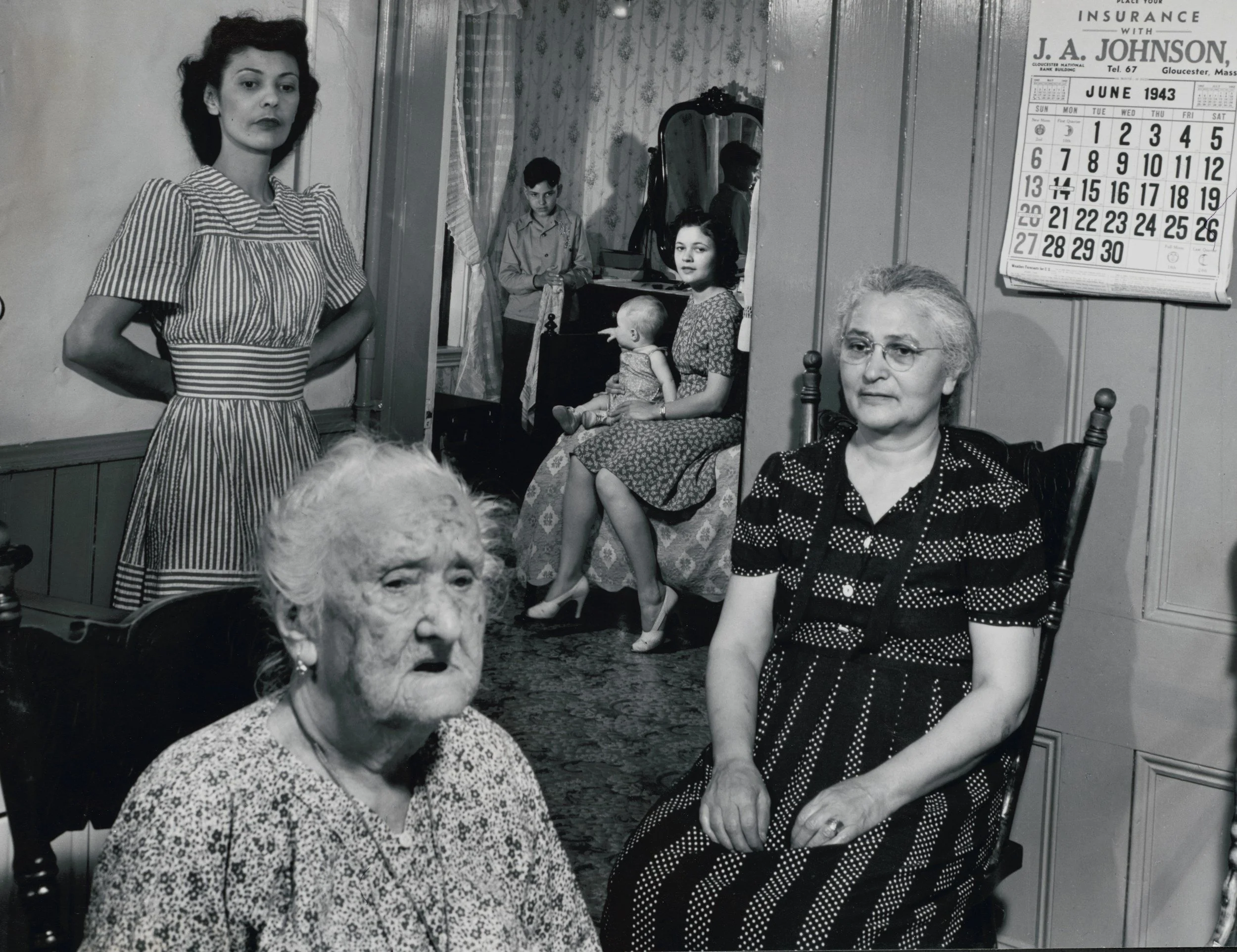
Inter-generational Trauma: The Pain We Inherit
Have you ever wondered why certain patterns keep repeating in your family — the same anxieties, the same silences, the same ways of loving that leave everyone a little lonely? Or why you carry fears and reactions that don't seem to trace back to anything that happened to you?
Sometimes the pain we hold isn't only our own. It was handed down — through parenting, through the body, through what was never said as much as what was — from people who came before us and never had the chance to heal.

Race Should Not Be Ignored in an Interracial Relationship
Interracial relationships often bring together people with different cultures, histories, and lived experiences. These relationships can be deeply fulfilling, offering opportunities for growth, connection, and expanded perspectives. Yet they also exist within a broader social context where race continues to shape how people move through the world.
One of the most common misconceptions we see in couples therapy is the belief that love alone should make conversations about race unnecessary.
It doesn't.
In fact, avoiding conversations about racial identity often creates distance, while approaching them with curiosity and compassion can deepen emotional intimacy.

Code-Switching Isn't a Soft Skill - It's a Survival Strategy
Walk into almost any white-collar workplace, and you'll hear the word professional used often.
But for many professionals of color, "professionalism" carries an unspoken expectation: be excellent—but not too different.
That expectation often leads to code-switching—the conscious or unconscious process of changing one's language, tone, appearance, behavior, or cultural expression to fit the dominant workplace culture. While everyone adapts to different social settings to some degree, racialized code-switching is fundamentally different. It is often rooted not in convenience, but in safety, acceptance, and survival.
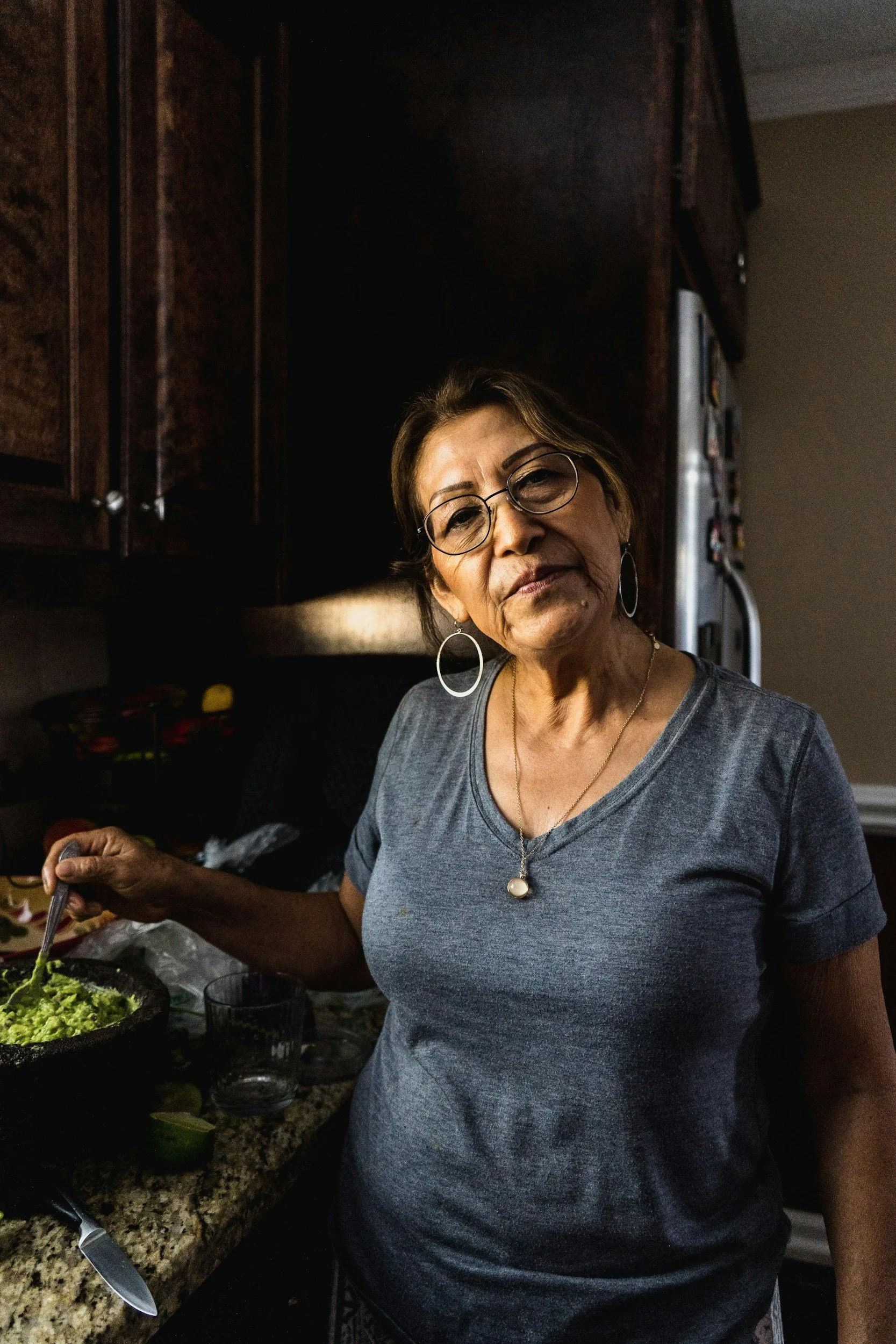
Marianismo: When Being "The Good Woman" Means Losing Yourself
Have you ever wondered why it's easier to care for others than it is to care for yourself? Many women grow up believing that being a "good" daughter, partner, mother, or friend means always putting others first. Over time, this constant self-sacrifice can leave you feeling anxious, emotionally exhausted, disconnected from your own needs, and wondering why you're never enough despite giving so much.
While this shows up in many cultures under different names and forms, for many Latinas these expectations are shaped by marianismo—a cultural belief system that values caregiving, humility, sacrifice, and emotional endurance.

What Is Cultural Identity Confusion — and Why It Feels So Isolating
There's a specific loneliness that comes from belonging to two worlds and feeling fully at home in neither.
Maybe you're too "American" for your family and too "foreign" for your friends. Maybe your Spanish isn't good enough for your grandmother, but your accent still marks you as other in the room. Maybe you code-switch so fluidly that you've started to wonder which version of you, if any, is the real one. There's a phrase that captures this ache so precisely it's become a kind of shorthand across the Latino diaspora: ni de aquí, ni de allá. Not from here, not from there.