
Marianismo: When Being "The Good Woman" Means Losing Yourself
Have you ever wondered why it's easier to care for others than it is to care for yourself?
Many women grow up believing that being a "good" daughter, partner, mother, or friend means always putting others first. You stay strong, avoid conflict, carry everyone else's burdens, and rarely ask for help yourself. Over time, this constant self-sacrifice can leave you feeling anxious, emotionally exhausted, disconnected from your own needs, and wondering why you're never enough despite giving so much.
While this shows up in many cultures under different names and forms, for many Latinas these expectations are shaped by marianismo—a cultural belief system that values caregiving, humility, sacrifice, and emotional endurance. While these values can foster deep love and resilience, they can also make it difficult to set boundaries, prioritize your own well-being, or believe that your needs matter. Therapy can help you honor your culture without losing yourself in the process.
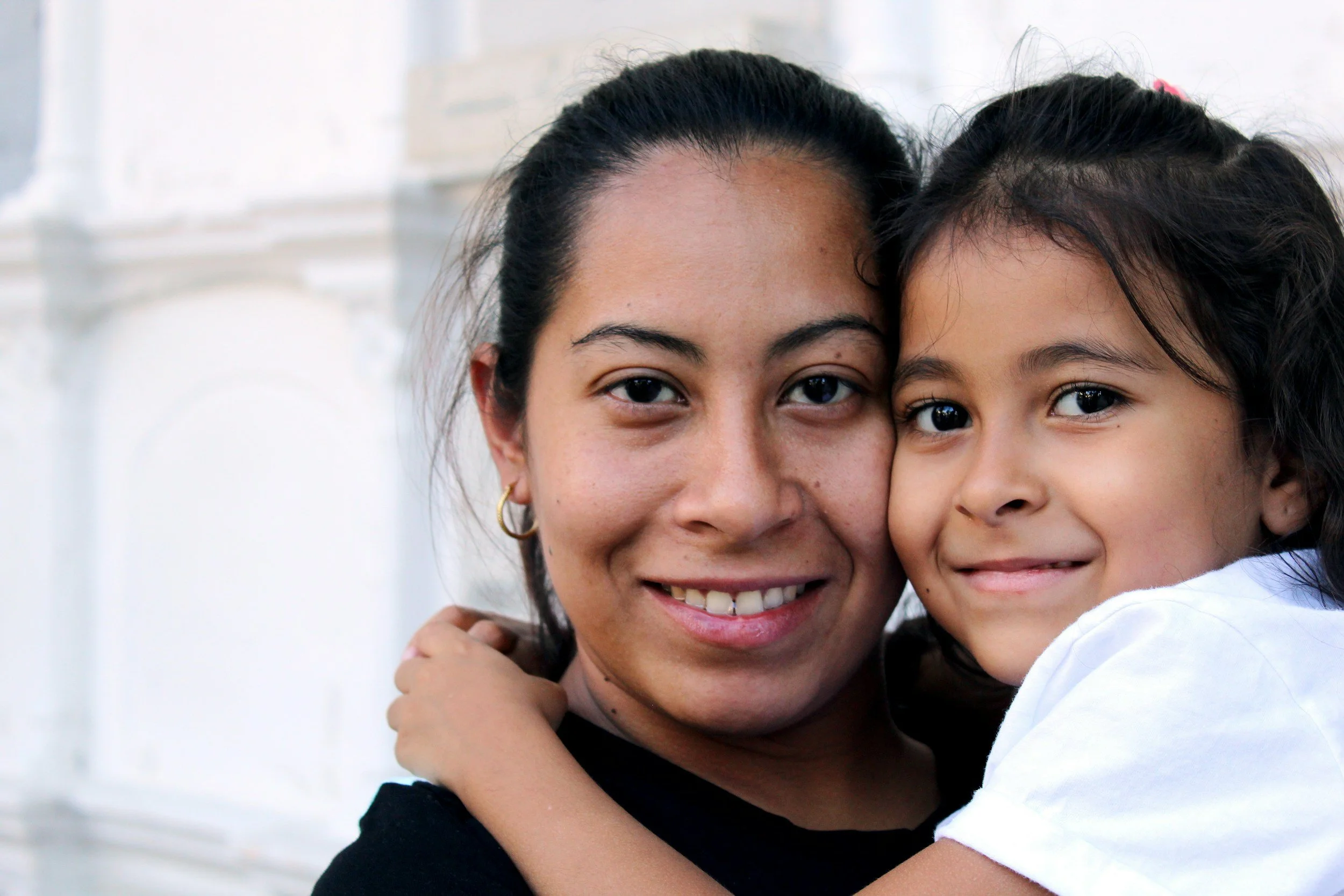
When Self-Sacrifice Becomes a Way of Life
Marianismo rarely shows up in therapy by name. Instead, it often appears as anxiety, burnout, perfectionism, people-pleasing, difficulty setting boundaries, or feeling responsible for everyone else's happiness. Over time, caring for others can become so automatic that it becomes difficult to recognize your own needs—or to believe they deserve the same care and attention.
Healing isn't about rejecting your culture or becoming less compassionate. It's about finding balance. You can honor your family, your values, and your relationships while also making space for your own emotional well-being. Caring for yourself doesn't take away from those you love—it allows you to show up for them from a place of strength rather than exhaustion.
In therapy, we'll explore the beliefs, family patterns, and cultural experiences that have shaped the way you relate to yourself and others. Together, we can identify which beliefs continue to support you, gently challenge the ones that no longer do, and create space for a life that includes both deep connection and self-compassion.
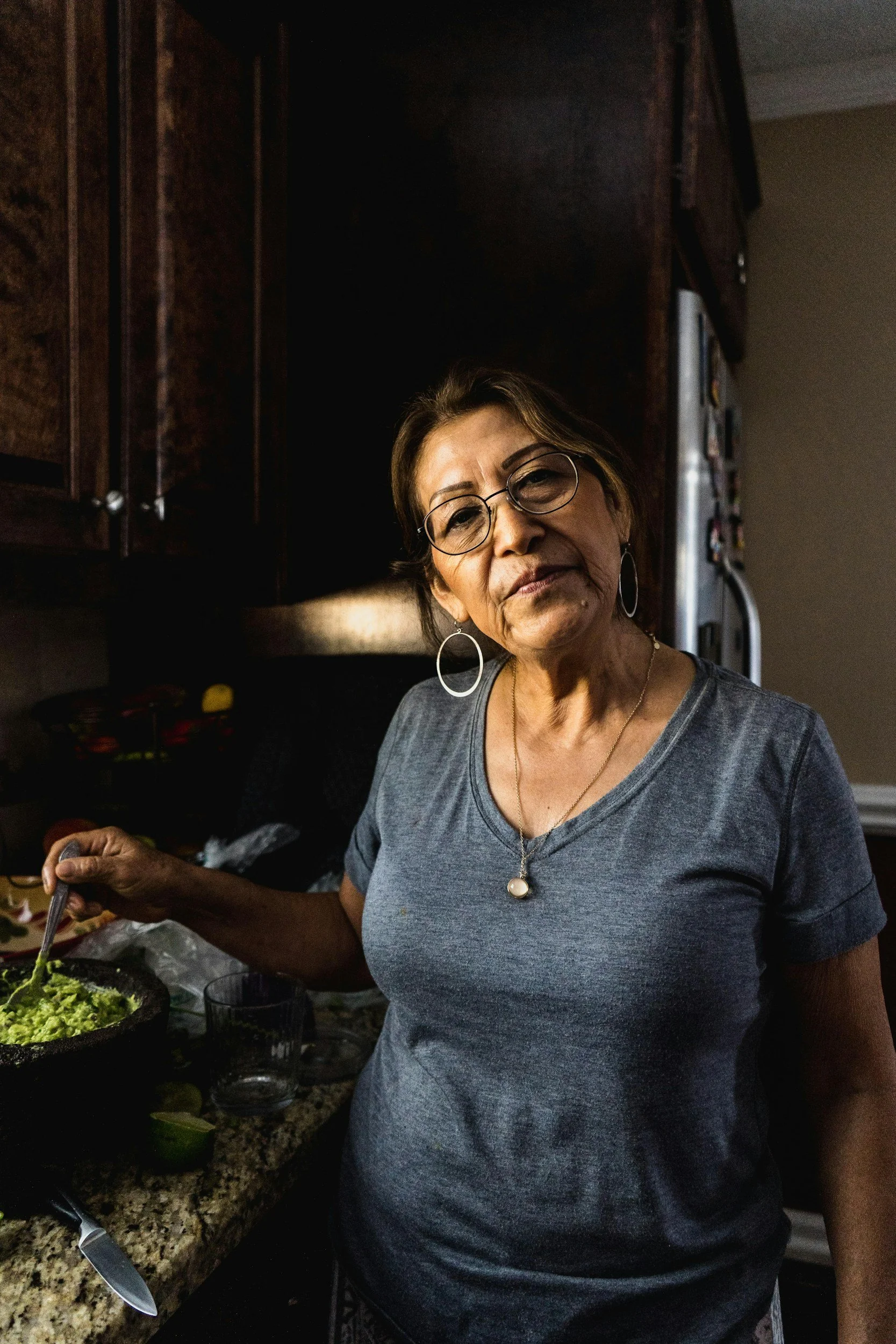
You don't have to earn rest. You don't have to apologize for having needs. And you don't have to lose yourself to be a good daughter, partner, mother, or woman.
Marianismo Through a Cultural Lens
From an anthropological perspective, marianismo is not simply a list of expectations placed on Latina women—it's a cultural framework that evolved over generations. Rooted in the ideals of the Virgin Mary and shaped by centuries of Spanish colonialism, Catholic traditions, and family-centered values, marianismo came to emphasize humility, caregiving, sacrifice, moral strength, and placing the needs of the family above one's own (Stevens, 1973). For many families, these values continue to foster resilience, close relationships, and a deep sense of responsibility toward loved ones.
Modern psychology has expanded on this understanding. Rather than viewing marianismo as inherently positive or negative, researchers describe it as a multidimensional cultural value system. The widely used Marianismo Beliefs Scale developed by Castillo and colleagues (2010) identifies themes such as family devotion, spiritual leadership, emotional restraint, purity, and self-sacrifice. These beliefs can provide meaning, identity, and connection, but they may also become sources of emotional distress when they leave little room for personal needs, boundaries, or vulnerability.
Research has found that women who strongly identify with beliefs centered around self-sacrifice and emotional self-silencing may be more likely to experience anxiety, depression, and chronic stress, particularly when they feel responsible for carrying the emotional needs of everyone around them (Nuñez et al., 2016). The goal of therapy is not to reject these cultural values, but to understand how they developed, appreciate the strengths they offer, and create enough flexibility for your own emotional well-being to exist alongside them.
Therapy Creates Space to Ask Different Questions
Much of my work is grounded in understanding the relational, cultural, and intergenerational experiences that shape how we see ourselves and move through the world. Rather than asking, "What's wrong with me?" we begin asking questions that create understanding instead of self-criticism:
Where did these beliefs come from?
How have they helped you survive?
Which ones still serve you today?
Which ones are asking too much of you now?
These questions shift the focus away from blame and toward compassion. The goal isn't to judge yourself for the ways you've learned to cope—it's to understand why those patterns developed and whether they still fit the life you're trying to build.
As we explore these experiences together, you'll have the opportunity to strengthen boundaries, reconnect with your own needs, and develop a more balanced relationship with yourself and others. Therapy isn't about abandoning your values or becoming someone different. It's about creating enough flexibility to care for the people you love without losing yourself in the process.

Healing doesn't ask you to become a different person. It simply gives you permission to stop carrying what was never yours to carry alone.
About the Author
I am a licensed therapist and founder of Vida Counseling & Wellness, serving clients throughout Seattle and Washington State. I specialize in multicultural therapy, anxiety, relationship concerns, life transitions, and perinatal mental health, with a relational, psychodynamic, and culturally responsive approach. My work helps individuals understand how family, culture, and life experiences shape the way they relate to themselves and others, creating space for greater self-compassion, healthier relationships, and lasting emotional well-being.