
Raising Bilingual, Bicultural Kids Without Losing Your Own Identity
You want your child to speak your language — to understand their abuela on the phone, to feel at home in the culture that shaped you, to carry forward something precious. And also, quietly, it's exhausting. You're translating constantly, correcting mixed-up sentences, fielding relatives who worry the kids don't speak "enough," and navigating a world that often treats your heritage as optional or lesser. Somewhere in all that labor, you may wonder where you went.
Raising bilingual, bicultural kids is a profound gift and a genuine emotional load, and both truths deserve to be named. This piece is a companion to my post on code-switching — here, I want to focus on the parenting version: how to pass on language and culture without erasing yourself in the process.
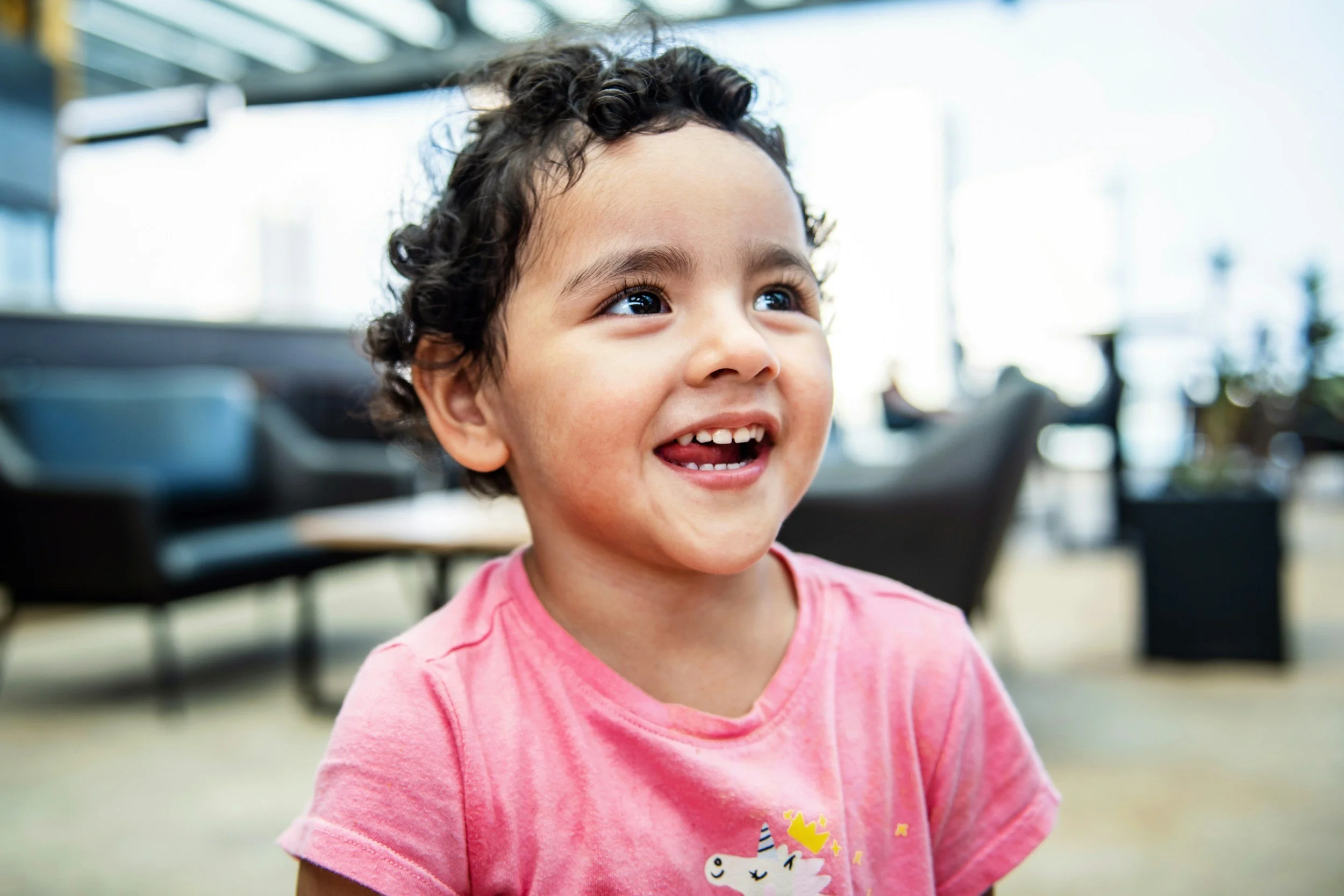
The Beautiful, Invisible Labor
Bilingual, bicultural parenting involves a mountain of work that mostly goes unseen:
The relentless consistency of speaking the heritage language even when your child answers in English, even when it's slower, even when you're tired.
The cultural translation — teaching values, foods, holidays, and ways of being that the surrounding world doesn't reinforce and sometimes actively undermines.
Managing family expectations — grandparents who fear the language is slipping, relatives who judge your choices from either direction.
Navigating your own history — deciding what to pass on and what to leave behind, especially if your relationship with your culture is complicated.
Absorbing the outside world's messages — the subtle (or overt) pressure to assimilate, to make it easy for others, to shrink the parts of you that stand out.
This is real work, and it lands disproportionately on mothers in many families. If you feel depleted, it's not because you're doing it wrong. It's because you're doing a great deal, most of it invisibly.
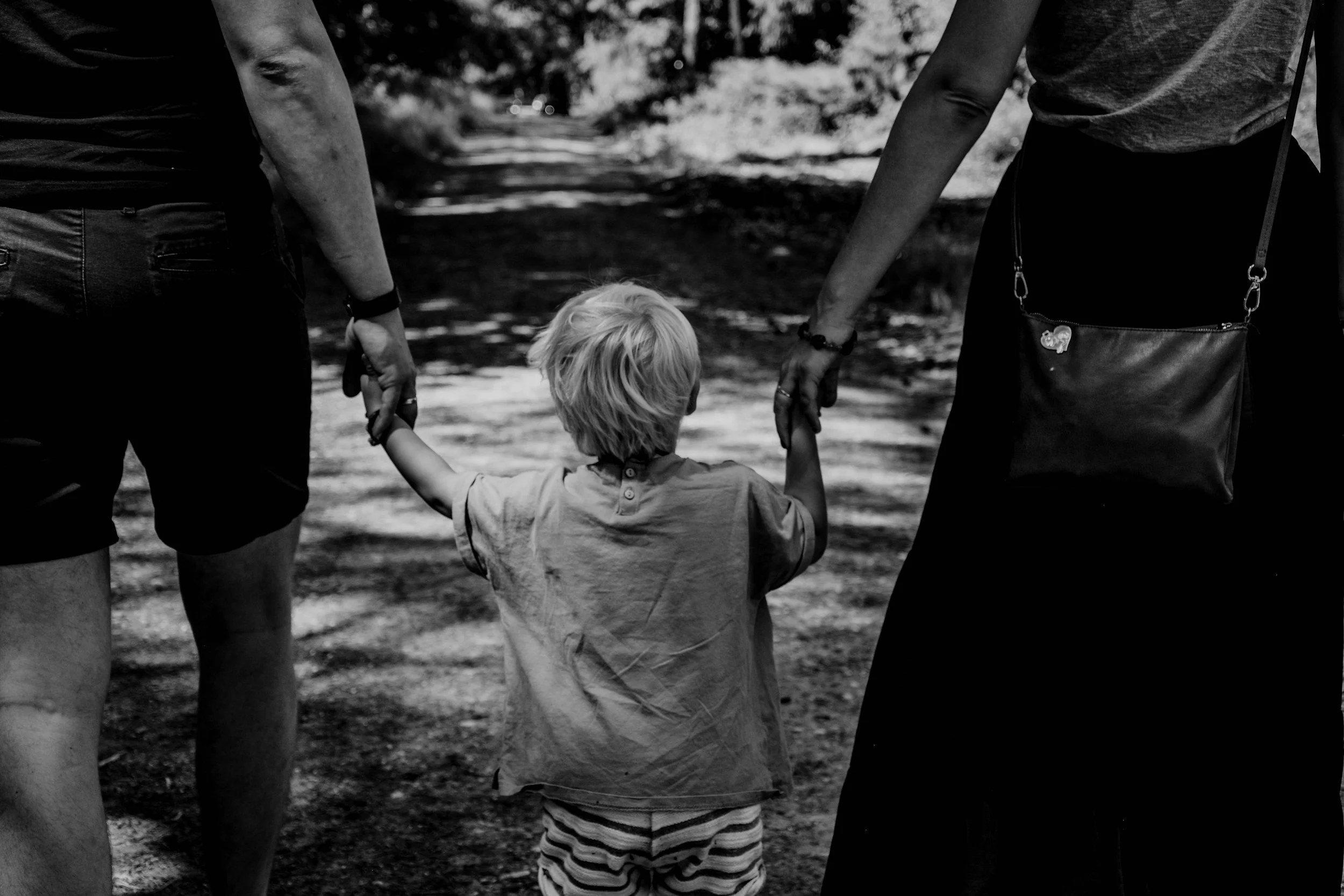
You're not just raising a child who speaks two languages. You're raising a child who belongs to two worlds — and gets to keep both.
The Myth That Makes This Harder
One reason the labor feels so heavy is that many parents carry an old, stubborn worry: am I confusing my child by raising them in two languages? For decades, well-meaning teachers and pediatricians told immigrant families to drop the home language, warning that bilingualism would cause delays. That advice was wrong.
Decades of research have steadily dismantled this myth. Growing up with two languages does not cause language delay or cognitive confusion; instead, constantly managing two active language systems appears to strengthen the brain's executive function — the mental muscles for focusing attention, switching between tasks, and ignoring distraction. Bilingual children perform as well as or better than monolingual peers on these control tasks, an advantage that shows up early and can last into old age (Bialystok, 2017, *Psychological Bulletin*). What can look like "mixing up" languages is not a deficit — it is a young brain doing sophisticated work. This is now the mainstream scientific view: using two languages reshapes the brain and cognition in beneficial ways, and the old fear of bilingualism as a burden on children simply isn't supported by the data (Kroll & Dussias, 2017, *Foreign Language Annals*). Far from holding kids back, juggling two languages exercises the brain.
So the next time a relative frets that your child says a Spanglish sentence, you can let that worry go. You are not slowing your child down. You are handing them a lifelong cognitive and cultural resource.
Where "Losing Yourself" Comes In
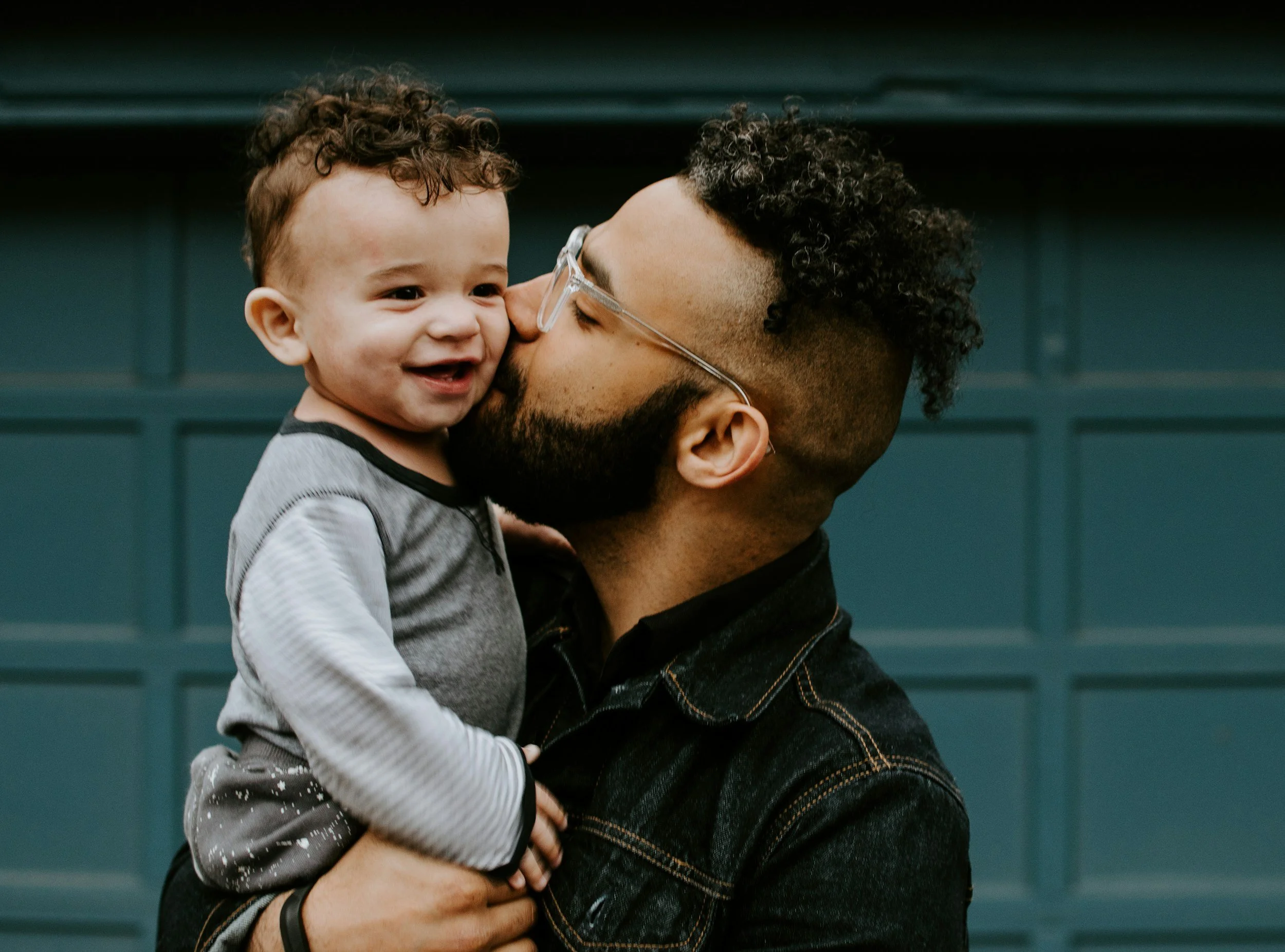
Here's the trap. In pouring so much into your child's bicultural identity, many parents quietly abandon their own. You focus so hard on your child's belonging that you neglect your own need for connection, community, and cultural nourishment. You become the bridge everyone else walks across — and forget you're also allowed to stand on solid ground yourself.
There's real science behind why this self-erasure is so tempting — and so costly. The healthiest long-term outcomes in acculturation come not from fully assimilating (dropping your culture to fit in) or fully separating, but from integration: holding on to your heritage identity and engaging with the new culture — a pattern consistently linked to better psychological wellbeing and lower stress than the alternatives (Berry, 2005, *International Journal of Intercultural Relations*). When you erase your own cultural self to smooth things over for everyone else, you're not choosing the healthiest path — you're choosing the one research links to more distress.
For parents from collectivist cultures, this can intertwine with the self-sacrificing ideals I've written about in my posts on marianismo and the pressure to be a perfect parent: the sense that a good parent, especially a good mother, disappears into service. Preserving your child's identity while erasing your own is not the goal — and it doesn't actually serve your child, who learns identity partly by watching you inhabit yours.
What You Model Matters as Much as What You Teach
Children build their own sense of ethnic identity in large part by watching their parents. A strong, positively felt ethnic-racial identity is protective for young people — linked to higher self-esteem, better mental health, and stronger academic outcomes, and buffering the harm of discrimination (Umaña-Taylor et al., 2014, *Child Development*). And one of the most powerful sources of that identity is a parent who talks about, practices, and takes pride in their own heritage. Among children of immigrants, those who become balanced bilinguals — keeping the heritage language while adding English — tend to report higher self-esteem and stronger family ties than those who lose the home language, underscoring that language retention supports rather than threatens a child's adjustment (research on bilingualism and adjustment in children of immigrants, via PubMed). Holding on to the home language, the evidence suggests, helps children thrive on both sides of their world.
That reframes the whole task. When you keep singing in your language, cooking the food, seeing your friends, honoring your traditions for your own sake, you aren't neglecting the parenting work — you are doing it. Your child is learning what it looks like to inhabit a culture with confidence rather than apology.
How to Pass On Your Heritage Without Erasing Yourself: A Self-Help Guide
Nourish your own cultural connection. Keep your friendships, your community, your music, your practices, and your language spoken for you — not only as a teaching tool. Schedule it the way you'd schedule anything that matters. A parent who is culturally whole is the best model your child has.
Let it be imperfect. Mixed sentences, "Spanglish," uneven fluency, and resistant phases are all normal stages, not failures. Aim for consistent, warm exposure over years rather than flawless output in any single moment.
Share the labor. Recruit your partner, extended family, heritage-language media, community programs, faith communities, and other bicultural families. You do not have to be the sole carrier of an entire culture.
Set boundaries with the critics. Whether relatives fear too much assimilation or the outside world pushes for more, you get to define your family's path. Practice a calm line — "This is what works for our family" — and let their anxiety stay theirs.
Reframe the goal from fluency to relationship. The aim isn't perfect bilingualism enforced through pressure; it's a warm, living bond with language and culture. Connection and joy teach far more durably than shame or drilling.
Make the language emotional, not just instructional. Comfort, play, joke, and sing in your heritage language, not only correct in it. The research is clear that the home language carries closeness — so use it in your closest moments.
Model self-respect out loud. Let your child see you honor your identity without shrinking or apologizing. When they watch you take up space in your culture, they learn they're allowed to take up space in theirs.
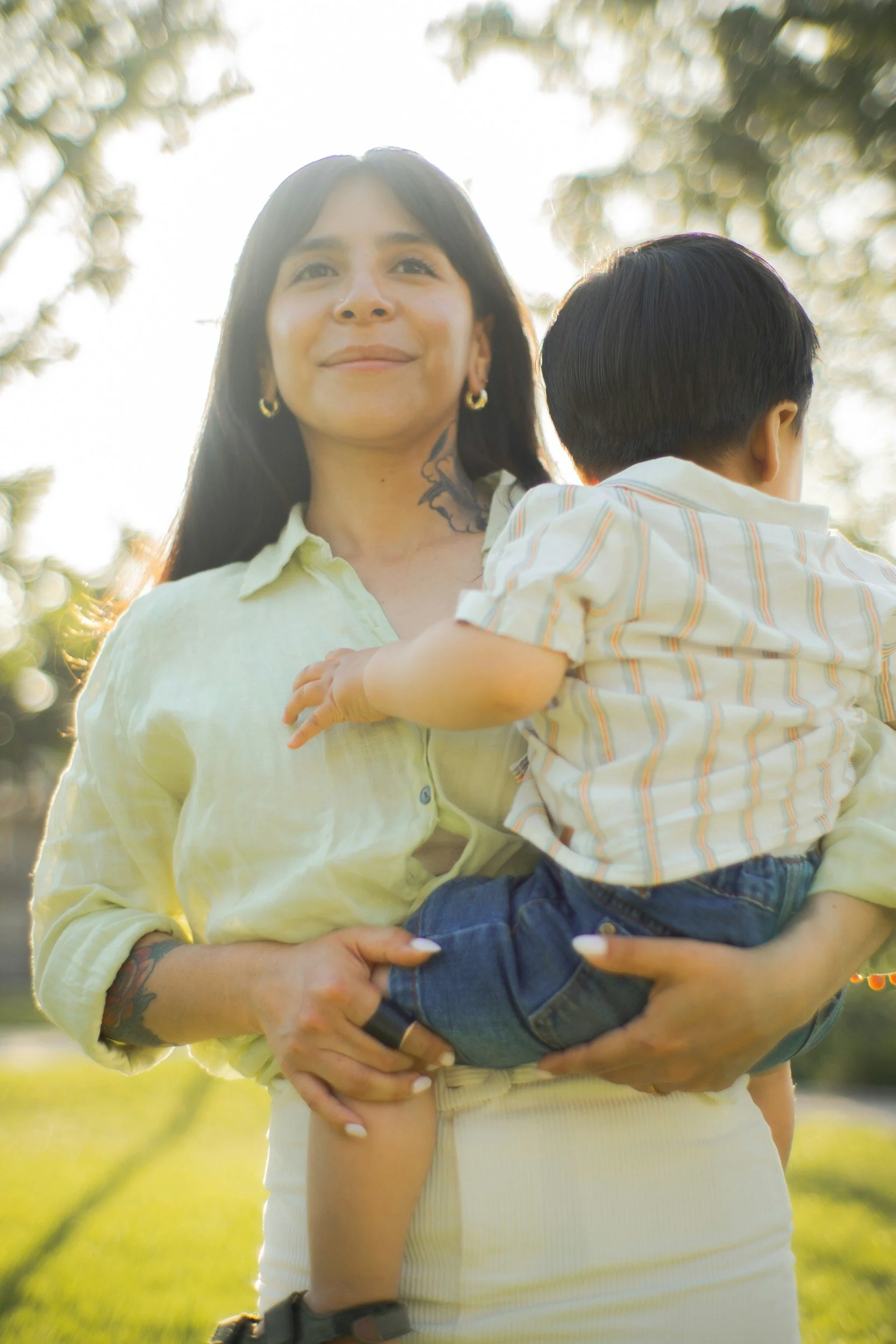
How Therapy Can Help
Self-help strategies can lighten the daily load, but some of this work runs deeper than logistics — and that's where therapy adds something a checklist can't.
Much of the exhaustion in bicultural parenting isn't really about language schedules; it's about your own history. Maybe you were shamed for your accent, pressured to assimilate, or made to feel your heritage was a liability. Maybe your relationship with your culture is tangled with grief, migration, or family wounds. Those old experiences don't stay in the past — they shape how much you feel you're allowed to belong, and how easily you slip into self-erasure. In therapy, we can process those experiences rather than just manage them, so the old shame stops quietly driving your choices.
My approach is relational, attachment-based, and multicultural, which means we pay attention to how your earliest relationships and cultural messages taught you what a "good" parent — and a "good" daughter or son — should sacrifice. Together we can name those inherited scripts, grieve what needs grieving, and rebuild a sense of identity that includes you, not just your role as the family bridge. Because I work bilingually and from a trauma-informed, strengths-based stance, this can happen in the language your feelings actually live in. The goal isn't only a bilingual child — it's a parent who feels whole enough to raise one with joy.
About the Author
Dania Uritskiy, LICSW, is a licensed therapist and founder of Vida Counseling & Wellness. She specializes in multicultural and bilingual therapy, along with anxiety, life transitions, and identity, and her approach is relational, psychodynamic, and culturally responsive. A bilingual, bicultural clinician, she offers therapy in English and Spanish to clients across the Seattle area and Washington State — including Lynnwood, Shoreline, Bothell, and Bellevue — with telehealth available statewide. Her hope is that parents raising children in two languages can pass on their heritage without disappearing into the labor of it. — Dania Uritskiy