

Raising Bilingual, Bicultural Kids Without Losing Your Own Identity
perinatal, multicultural therapy Dania Uritskiy, LICSW perinatal, multicultural therapy Dania Uritskiy, LICSW

Raising Bilingual, Bicultural Kids Without Losing Your Own Identity

You want your child to speak your language — to understand their grandma on the phone, to feel at home in the culture that shaped you, to carry forward something precious. And also, quietly, it's exhausting. You're translating constantly, correcting mixed-up sentences, fielding relatives who worry the kids don't speak "enough," and navigating a world that often treats your heritage as optional or lesser. Somewhere in all that labor, you may wonder where you went.

Read More
Assimilation, Belonging, and the Grief of Leaving Home Behind
multicultural therapy Dania Uritskiy, LICSW multicultural therapy Dania Uritskiy, LICSW

Assimilation, Belonging, and the Grief of Leaving Home Behind

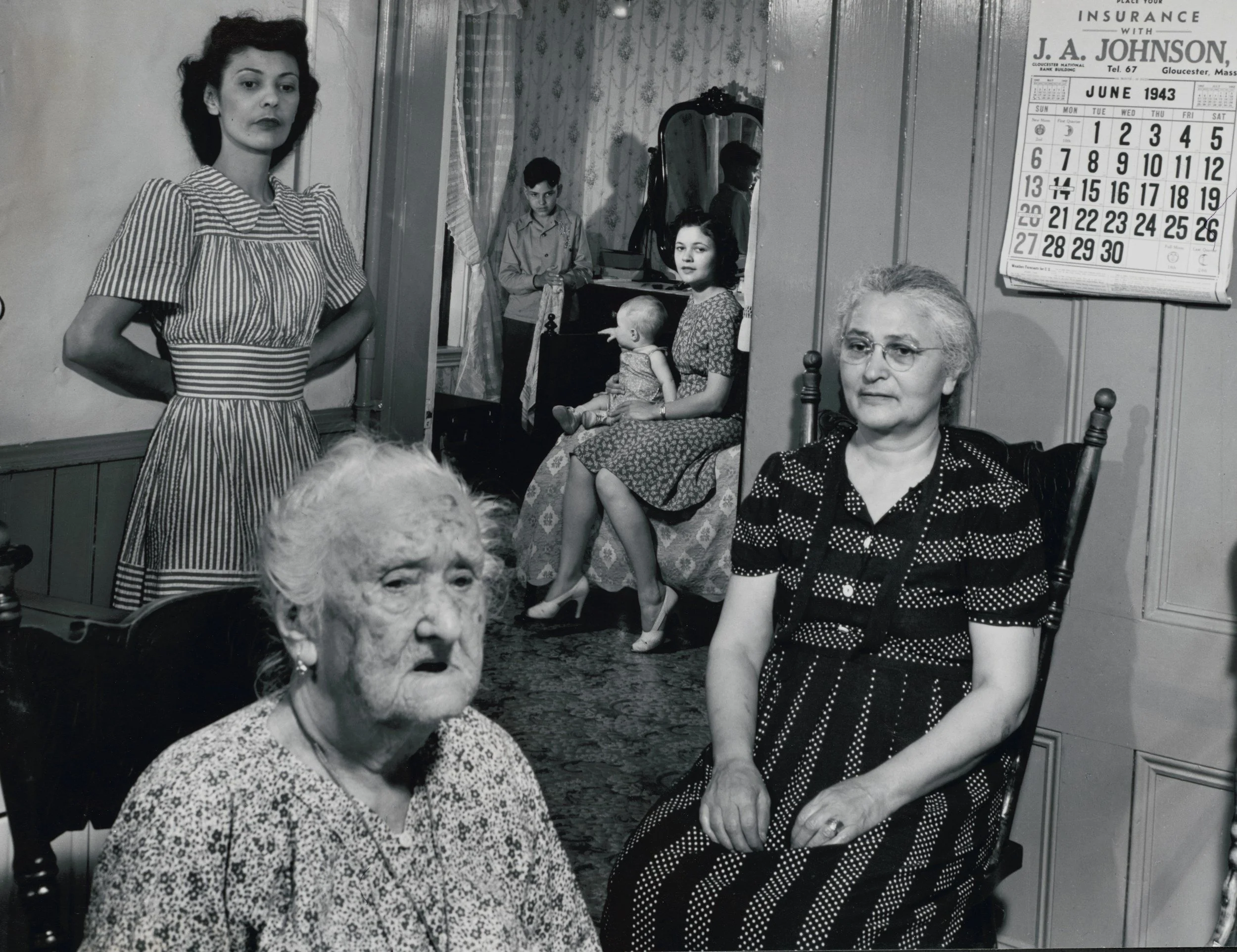
When you leave one country for another — or when your parents did, and you inherited the story — everyone talks about the opportunity, the better life, the sacrifice worth making. And it is those things. But underneath the gratitude runs a quieter current that rarely gets spoken aloud: a grief for everything you left behind. The smell of your grandmother's kitchen. The language that fit in your mouth without effort. The feeling of being normal — of not having to explain yourself.

If you've felt this ache and then immediately felt guilty for feeling it — how can I mourn when I'm so lucky? — this post is for you. That grief is real, it's valid, and it deserves to be named.
Read More
Inter-generational Trauma: The Pain We Inherit
multicultural therapy Dania Uritskiy, LICSW multicultural therapy Dania Uritskiy, LICSW

Inter-generational Trauma: The Pain We Inherit

Have you ever wondered why certain patterns keep repeating in your family — the same anxieties, the same silences, the same ways of loving that leave everyone a little lonely? Or why you carry fears and reactions that don't seem to trace back to anything that happened to you?

Sometimes the pain we hold isn't only our own. It was handed down — through parenting, through the body, through what was never said as much as what was — from people who came before us and never had the chance to heal.

Read More
Code-Switching Isn't a Soft Skill - It's a Survival Strategy
multicultural therapy, anxiety Dania Uritskiy, LICSW multicultural therapy, anxiety Dania Uritskiy, LICSW

Code-Switching Isn't a Soft Skill - It's a Survival Strategy

Walk into almost any white-collar workplace, and you'll hear the word professional used often.

But for many professionals of color, "professionalism" carries an unspoken expectation: be excellent—but not too different.

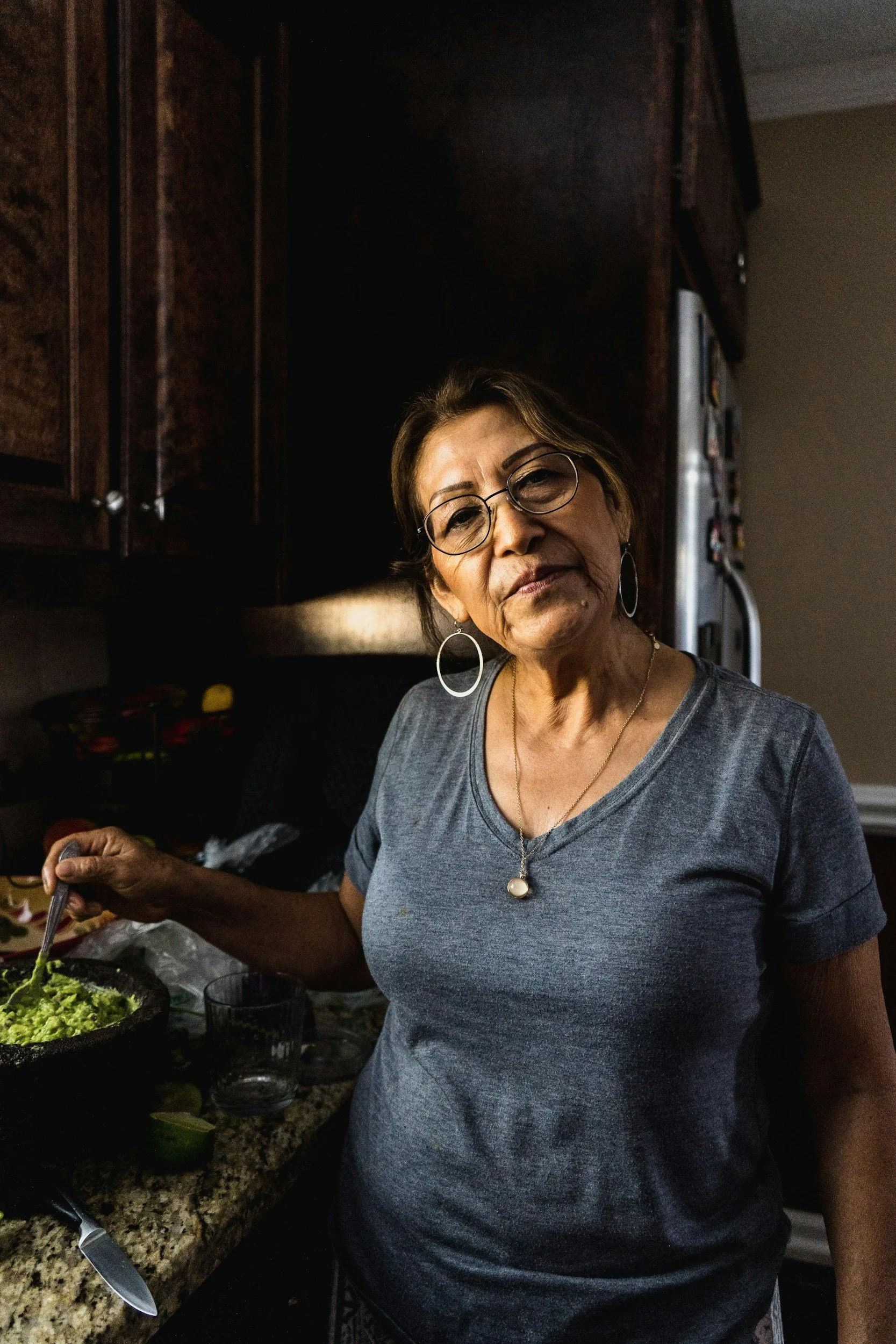
That expectation often leads to code-switching—the conscious or unconscious process of changing one's language, tone, appearance, behavior, or cultural expression to fit the dominant workplace culture. While everyone adapts to different social settings to some degree, racialized code-switching is fundamentally different. It is often rooted not in convenience, but in safety, acceptance, and survival.
Read More
Marianismo: When Being "The Good Woman" Means Losing Yourself
multicultural therapy Dania Uritskiy, LICSW multicultural therapy Dania Uritskiy, LICSW

Marianismo: When Being "The Good Woman" Means Losing Yourself

Have you ever wondered why it's easier to care for others than it is to care for yourself? Many women grow up believing that being a "good" daughter, partner, mother, or friend means always putting others first. Over time, this constant self-sacrifice can leave you feeling anxious, emotionally exhausted, disconnected from your own needs, and wondering why you're never enough despite giving so much.

While this shows up in many cultures under different names and forms, for many Latinas these expectations are shaped by marianismo—a cultural belief system that values caregiving, humility, sacrifice, and emotional endurance.

Read More
Terapia de pareja intercultural: cuando la pelea no es sobre lo que parece
multicultural therapy Dania Uritskiy, LICSW multicultural therapy Dania Uritskiy, LICSW

Terapia de pareja intercultural: cuando la pelea no es sobre lo que parece

La discusión fue sobre la Navidad. No fue sobre la Navidad.

Debajo está la pregunta de qué familia se queda con las fiestas, y debajo de eso, qué obligaciones son negociables y cuáles no, y más abajo todavía: si uno de los dos está aceptando poco a poco vivir dentro del mundo del otro.

Por eso la misma pelea vuelve cada año. No es un problema de calendario. Es una negociación sobre de qué está hecha su vida en común, y nadie la ha nombrado en voz alta.

Read More
The Eldest Daughter Effect: Why You Feel Responsible for Everyone
multicultural therapy, anxiety Dania Uritskiy, LICSW multicultural therapy, anxiety Dania Uritskiy, LICSW

The Eldest Daughter Effect: Why You Feel Responsible for Everyone

You knew how to soothe a crying sibling before you knew your multiplication tables. You could read the temperature of a room — your mother's silence, your father's tight jaw — and adjust yourself to keep the peace. You were the one who remembered the appointments, translated the letters, held the family together while somehow also getting straight A's.

You were a child. But were you ever really allowed to be one?

Read More
How to Set Boundaries With Family Without Starting a Fight
anxiety, multicultural therapy Dania Uritskiy, LICSW anxiety, multicultural therapy Dania Uritskiy, LICSW

How to Set Boundaries With Family Without Starting a Fight

You love your family. And sometimes, they drive you to the edge.

Maybe it's your mother's comments about your weight, or your father's opinions on how you're raising your kids. Maybe it's the relative who overstays, the parent who calls ten times a day, or the in-law who treats your home like their own. You've tried to speak up — and it either turned into a fight, or you were hit with the words that stop you cold: "But we're family."

Read More
When You Speak Different Love Languages (and Different Actual Languages)
multicultural therapy Dania Uritskiy, LICSW multicultural therapy Dania Uritskiy, LICSW

When You Speak Different Love Languages (and Different Actual Languages)

You feel most loved when your partner tells you, in words, exactly how they feel. Your partner shows love by doing — fixing the car, filling your gas tank, quietly handling the thing you dreaded. You keep waiting to hear it; they keep waiting for you to notice it. And somehow you both end up feeling unappreciated by someone who adores you.

Now add another layer: the words themselves live in different languages. What sounds tender in your first language lands flatter in your second. The joke that would land perfectly in Spanish goes limp in English, and vice versa.

Read More
When Your Family Doesn't Believe in Mental Health Struggles
multicultural therapy Dania Uritskiy, LICSW multicultural therapy Dania Uritskiy, LICSW

When Your Family Doesn't Believe in Mental Health Struggles

You finally worked up the courage to say it out loud. "I've been really anxious lately." Or, "I think I might be depressed." And instead of the comfort you hoped for, you got:

"Depressed? You have nothing to be depressed about."

"That's just an excuse to be lazy."

"We didn't have anxiety in my day — we just worked."

"Stop being dramatic. Pray about it."

Read More
Navigating In-Laws and Cultural Expectations as a Couple
multicultural therapy Dania Uritskiy, LICSW multicultural therapy Dania Uritskiy, LICSW

Navigating In-Laws and Cultural Expectations as a Couple

The Sunday lunch that isn't really optional. The phone call from your mother-in-law that reorganizes your whole weekend. The comment about how you're raising your kids, running your household, spending your money — delivered with a smile that makes it hard to object.

And then, the conversation with your partner afterward that somehow becomes a fight between the two of you, even though neither of you started it.

Read More
Why Do I Feel Guilty for Being Successful? (Breaking-Away Guilt)
work therapy Dania Uritskiy, LICSW work therapy Dania Uritskiy, LICSW

Why Do I Feel Guilty for Being Successful? (Breaking-Away Guilt)

Guilt is not the feeling anyone expects after good news. You worked for the career, the degree, the home, the life you pictured when you were younger, and when it finally arrives the joy gets swallowed almost immediately by something closer to the sense of having taken more than your share.

You downplay the promotion at family dinners. You feel a twinge of shame buying something nice. You hesitate to share good news with the people you grew up with. Some part of you feels that by rising, you've somehow left them behind — and that your success is a quiet accusation against the people who didn't get the same chances.

Read More
Buscando Terapia en Español: Por Qué Importa Hablar en Tu Propio Idioma
multicultural therapy Dania Uritskiy, LICSW multicultural therapy Dania Uritskiy, LICSW

Buscando Terapia en Español: Por Qué Importa Hablar en Tu Propio Idioma

Hay cosas que solo se pueden decir en el idioma en que las viviste.

El nombre cariñoso que te decía tu abuela. La canción que tu mamá tarareaba en la cocina. La forma en que duele una pérdida, en que se reza, en que se llora. Cuando intentas traducir todo eso a otro idioma, algo se queda en el camino. Se pierde el color, el peso, el alma de lo que sientes.

Por eso, cuando estás pasando por un momento difícil, buscar terapia en español no es un lujo ni un capricho. Es darte el derecho de ser entendido completamente, sin tener que traducirte a ti mismo. Como terapeuta bilingüe, quiero explicarte por qué hablar en tu propio idioma en terapia puede cambiarlo todo.

Read More
Love Across Cultures: Navigating Intercultural Relationships
bicultural couples Dania Uritskiy, LICSW bicultural couples Dania Uritskiy, LICSW

Love Across Cultures: Navigating Intercultural Relationships

You fell in love with someone who sees the world a little differently than you do. Maybe they grew up speaking another language, celebrating holidays you'd never heard of, in a family with rhythms and rules unlike your own. Part of what drew you in was exactly that difference — the way they widened your world.

And then real life arrived. Whose family do you visit for the holidays? How do you raise the kids? What does "close family" actually mean, and how much say do parents get? Suddenly the very differences that once felt exciting can feel like a daily negotiation.

Intercultural relationships are rich, expansive, and beautiful. They also ask more of you. If you love across cultures, this is for you.

Read More
First-Generation and Exhausted: The Hidden Weight of Being the One Who "Made It"
multicultural therapy Dania Uritskiy, LICSW multicultural therapy Dania Uritskiy, LICSW

First-Generation and Exhausted: The Hidden Weight of Being the One Who "Made It"

On paper you are the success story: the degree, the job, the apartment, the salary your parents could only imagine when they arrived here with a suitcase and a prayer. What the paper doesn't show is how tired you are, or how little of that exhaustion you feel entitled to mention.

So why are you so tired?

Read More
What Is Cultural Identity Confusion — and Why It Feels So Isolating
multicultural therapy Dania Uritskiy, LICSW multicultural therapy Dania Uritskiy, LICSW

What Is Cultural Identity Confusion — and Why It Feels So Isolating

There's a specific loneliness that comes from belonging to two worlds and feeling fully at home in neither.

Maybe you're too "American" for your family and too "foreign" for your friends. Maybe your Spanish isn't good enough for your grandmother, but your accent still marks you as other in the room. Maybe you code-switch so fluidly that you've started to wonder which version of you, if any, is the real one. There's a phrase that captures this ache so precisely it's become a kind of shorthand across the Latino diaspora: ni de aquí, ni de allá. Not from here, not from there.

Read More